
 LED


 LCD







Relay Base Socket 5pin For Breadboard
Product Overview
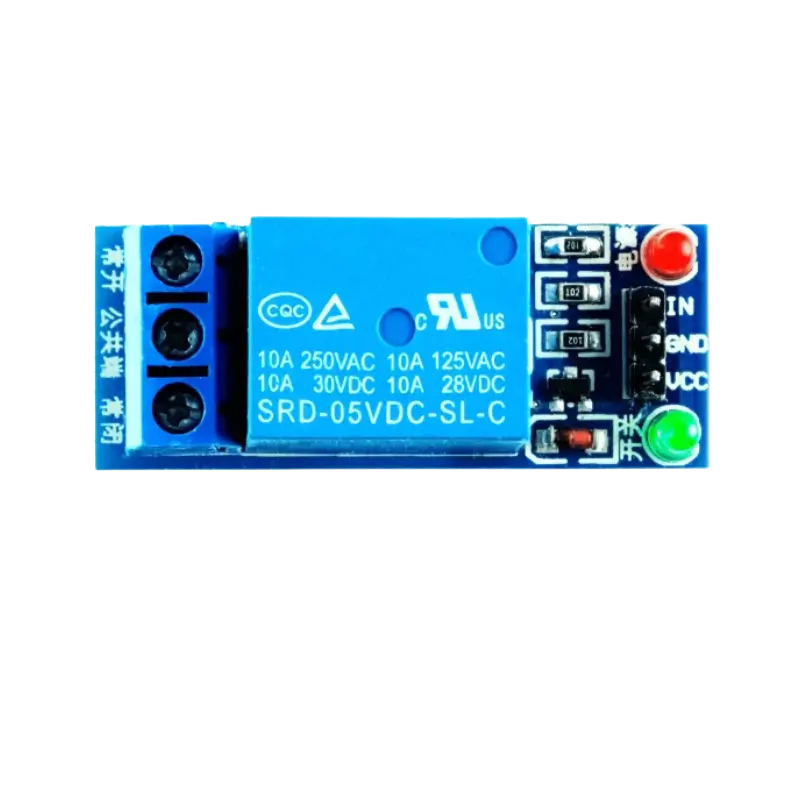
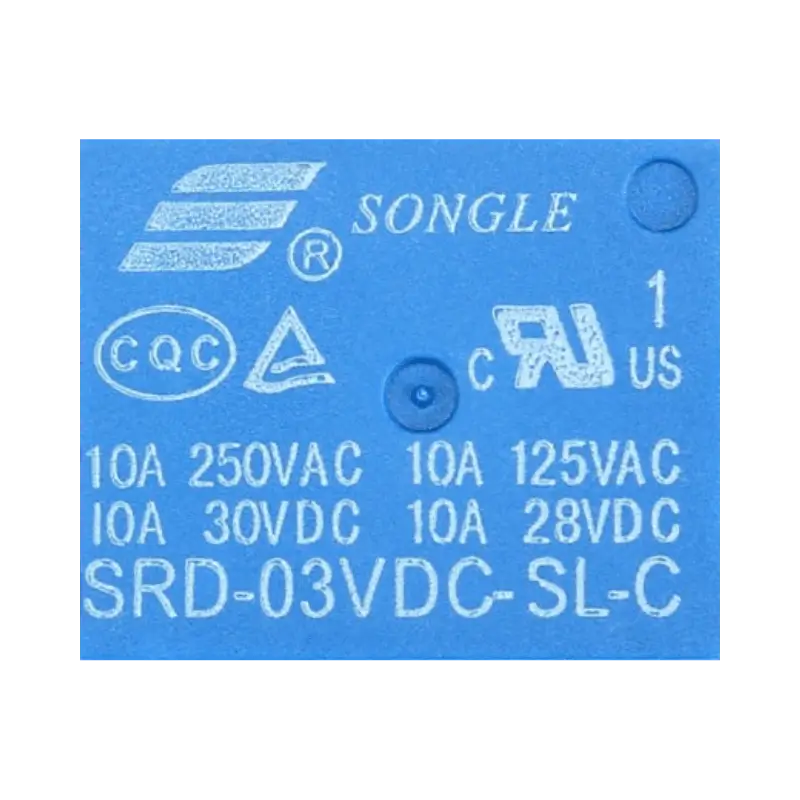
The 5-Pin Relay Breadboard Adapter from Pro Tronix solves a common headache for students and makers. Standard 10A power relays (like the SRD-05VDC-SL-C) have pin layouts that do not align with the standard grid of a breadboard, often leading to bent pins or loose connections.
This adapter base features a top-side socket that fits your relay perfectly and a bottom-side pin header that snaps securely into any standard breadboard. It transforms a bulky power component into a breadboard-friendly module, making it easier than ever to test your Arduino or ESP32 control circuits before moving to a permanent PCB.

Technical Specifications
| Feature | Specification |
| Pin Count | 5 Pins |
| Relay Compatibility | SRD-Series (3V, 5V, 12V, 24V) |
| Pitch | 2.54mm (Standard Breadboard) |
| Header Type | Male Pin Headers (Pre-soldered) |
| Material | High-Quality FR4 PCB / Plastic Socket |
| Supplier | Pro Tronix |
Key Features
Instant Prototyping: No more soldering wires to relay pins just to test a circuit on a breadboard.
Rock-Solid Stability: Designed to sit flat on the breadboard, preventing the relay from wobbling or disconnecting during testing.
Standard 2.54mm Pitch: Fully compatible with all MB-102 breadboards and jumper wires.
High-Current Path: Engineered with wide PCB traces to handle the current needs of the relay coil and contacts during prototyping.
Common Applications
Classroom & STEM Labs: Teaching students how relays work without the risks and mess of soldering.
Rapid IoT Prototyping: Testing smart home logic with ESP32 or Raspberry Pi before finalizing the hardware design.
Project Debugging: Easily swapping between different relay voltages (e.g., switching from 5V to 12V) during the development phase.
Temporary Test Jigs: Building quick setups to verify the functionality of sensors and actuators.