


 LED
LED

 LCD
LCD




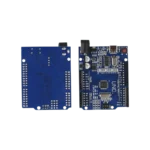
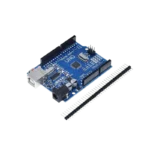


Arduino Uno R3 SMD
Product Overview
The Arduino Uno R3 SMD from Pro Tronix is functionally identical to the classic Uno R3 but utilizes a Surface Mount Device (SMD) version of the ATmega328P microcontroller. While the standard Uno uses a removable DIP chip, the SMD version has the processor soldered directly to the board.
This design choice makes the board slightly more resistant to physical shocks and vibration, making it a favorite for robotics and automotive prototypes. It remains the most documented and widely used board in the world, compatible with thousands of existing shields, libraries, and tutorials. Whether you are a student starting your first “Blink” sketch or a professional building a quick prototype, the Uno R3 SMD provides the perfect balance of simplicity and capability.
Technical Specifications
| Feature | Specification |
| Microcontroller | ATmega328P (SMD Package) |
| Operating Voltage | 5V |
| Input Voltage (Recommended) | 7V – 12V |
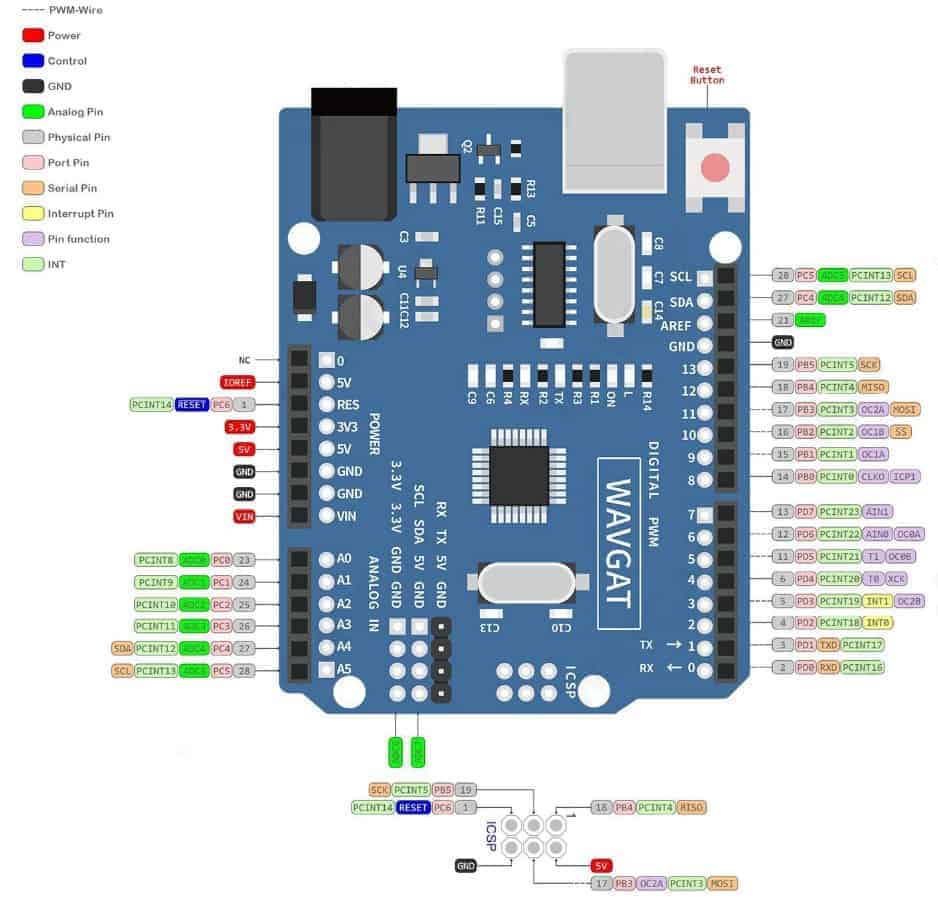
| Digital I/O Pins | 14 (6 provide PWM output) |
| Analog Input Pins | 6 |
| Flash Memory | 32 KB (0.5 KB used by bootloader) |
| SRAM / EEPROM | 2 KB / 1 KB |
| Clock Speed | 16 MHz |
| USB Interface | ATmega16U2 (Standard) or CH340 (Clone version) |
| Supplier | Pro Tronix |
Key Features
Surface Mount Reliability: The soldered chip ensures a permanent, vibration-resistant connection, ideal for projects that move or shake.
100% Shield Compatible: Features the standard R3 pinout, including the SDA, SCL, and IOREF pins, ensuring it works with all modern Arduino shields.
Advanced Connectivity: Includes a dedicated ICSP header for programming the microcontroller directly without the USB bootloader if needed.
Protective Features: Includes a resettable polyfuse to protect your computer’s USB ports from shorts and overcurrent.
Dual Power Logic: Automatically selects the best power source between the USB connection and the DC barrel jack.
SMD vs. DIP: What’s the Difference?
Replaceability: The standard DIP version allows you to swap the chip if it gets damaged. The SMD version is permanent but offers a lower profile.
Durability: The SMD chip cannot accidentally vibrate out of its socket, making it better for high-motion applications like RC cars or drones.
Layout: Some SMD versions include additional solder pads for access to extra I/O or power rails, providing more flexibility for advanced users.
Common Applications
Beginner Education: Learning the fundamentals of C++ programming and circuit design.
Robotics: Controlling motors, servos, and ultrasonic sensors for autonomous navigation.
Home Automation: Building light controllers, temperature monitors, and automated plant watering systems.
Rapid Prototyping: Quickly testing ideas before moving to a custom PCB design.
You can see our available development boards and starter kits from here: Development Boards | Pro Tronix